Which Drugs Can Lead To a High Anion Gap?

Why a Increased Anion Gap Means
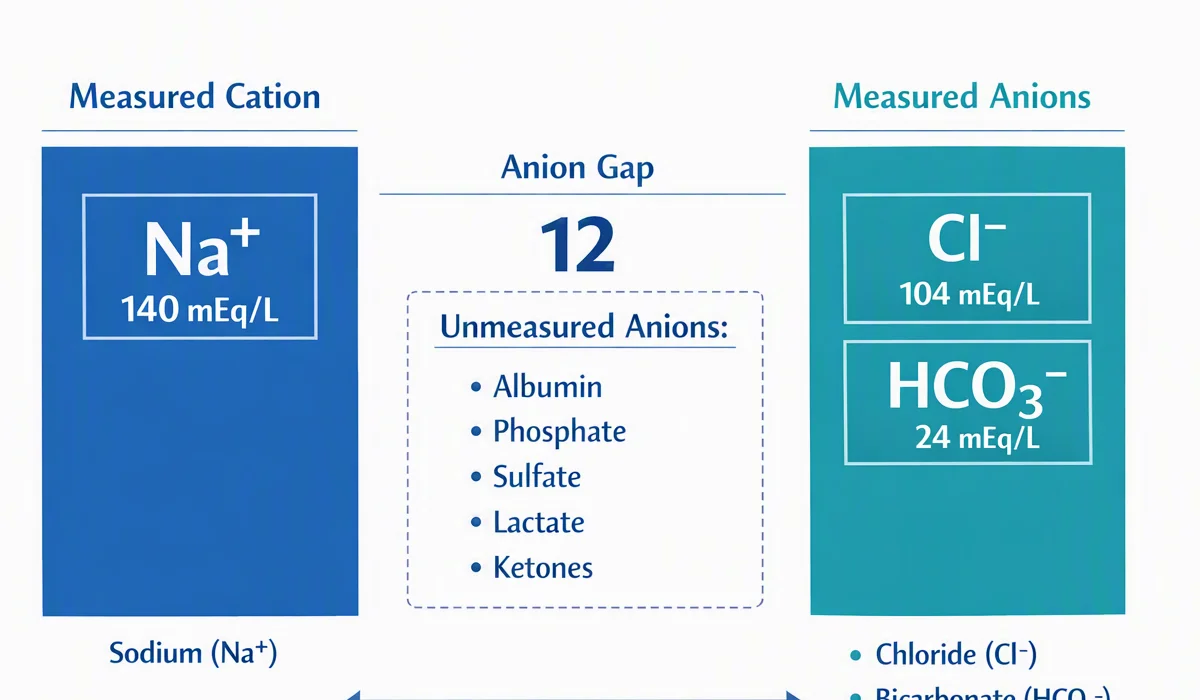
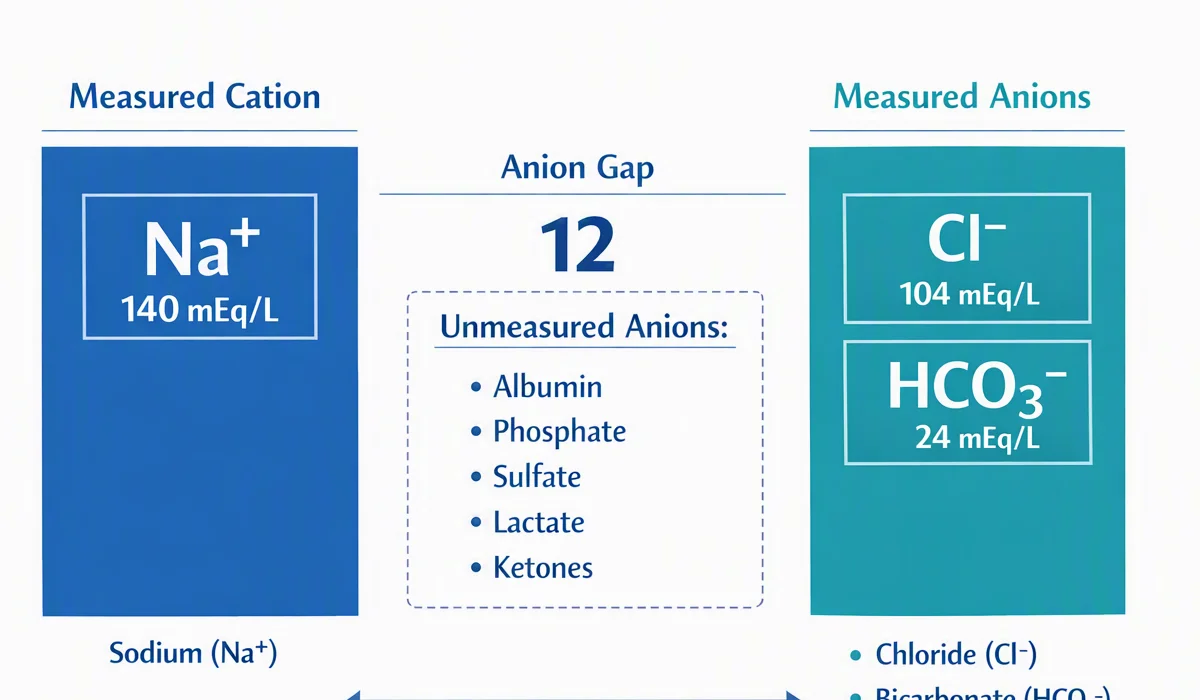
The anion gap is a laboratory value that helps detect certain forms of metabolic acidosis. It indicates the balance between measured sodium, chloride, and bicarbonate in the blood, and it is a important clue in laboratory interpretation when a patient has an undetermined acid-base balance problem. A elevated value suggests that unmeasured acids are piling up in the bloodstream.
This pattern is often called high anion gap metabolic acidosis. It can happen with toxic ingestion, renal failure, or medication-related drug-induced acidosis. The key idea is that the body is gathering acids faster than it can clear them, leading to metabolic derangement and abnormal serum electrolytes.
A blood chemistry panel usually gives the values needed to measure the gap. Clinicians often also look at albumin, because low albumin can lower https://anion-gap-lookup368.fotosdefrases.com/anion-gap-calculator-for-routine-laboratory-review-and-analysis the measured anion gap and hide an underlying problem. That is why a careful index of suspicion matters when clinical symptoms do not fit the apparent lab result.
In what way an Anion Gap Calculator Is Applied
An Anion Gap Calculator quickly estimates the gap from the values on an electrolyte panel. The usual formula is sodium minus the sum of chloride and bicarbonate. In practice, this makes the calculation fast enough to support timely clinical decisions when acid-base questions come up.
Using an Anion Gap Calculator is helpful for spotting patterns that suggest unmeasured acids, such as lactic acid, ketone accumulation, or other forms of organic acid buildup. It does not diagnose the cause by itself, but it provides a strong clue that something is wrong and helps guide further evaluation.
Albumin correction can be important. Because albumin is a major unmeasured anion, a low level may make the anion gap appear normal even when acid is accumulating. In other words, the calculator is the beginning for anion gap calculation, not the end of the workup. When the value is elevated, clinicians then consider causes such as lactic acidosis, ketoacidosis, medication toxicity, or kidney-related impaired renal clearance.
For patients and clinicians, the calculator is most useful when paired with the clinical picture. A normal-appearing result does not rule out serious illness if there is systemic toxicity, recent overdose, or signs of poisoning.
Drugs That Can Cause a High Anion Gap
Several medications are recognized lead to a increased anion gap, either by direct toxicity or by setting off a secondary metabolic problem. A few are widely used prescriptions, while others are more often involved in overdose situations. Among the most important are salicylates, acetaminophen, metformin, and isoniazid.
Salicylates can produce mixed acid-base problems and may lead to a elevated anion gap through metabolic stress and accumulation of acids. Acetaminophen is usually safe at standard doses, but severe toxicity can cause lactic acidosis and other dangerous metabolic changes. Metformin is widely used for diabetes, but in some settings it may be associated with lactic acidosis, especially when renal failure limits clearance. Isoniazid toxicity can also lead to significant acid-base disturbance, sometimes with seizures and marked acidosis.
These medications matter because they can be overlooked early. If a person has unexplained illness, a medication review is a critical part of the workup. Drug history, timing, dose, co-exposures, and kidney function all help determine whether the elevated anion gap is likely medication-related.
Common Drug Causes in Poisoning
Some of the most dramatic high anion gap cases happen after overdose or accidental exposure. Ethylene glycol, methanol, and propylene glycol are classic examples of toxic alcohols or related compounds that can produce severe metabolic problems. They are not everyday medicines, but they are important in toxicology because they can present with a high anion gap before the full diagnosis is obvious.
Ethylene glycol poisoning can produce acid buildup as it is metabolized into harmful organic acids. Methanol toxicity also results in dangerous acid production and may be associated with visual symptoms in addition to acidosis. Propylene glycol, which is found in some formulations and infusions, can accumulate and contribute to lactic acidosis or other acid-base abnormalities, especially with heavy exposure or impaired clearance.
In these instances, the anion gap is a signal, not a definitive answer. Clinicians often order toxicology screening, blood gas analysis, osmolar gap assessment, and consultation with poison control when a toxic ingestion is possible.
Prescribed Medications Linked to High Anion Gap Acidosis
Prescription medications can also lead to high anion gap metabolic acidosis through indirect mechanisms. Linezolid may impair mitochondrial function and is associated with lactic acidosis in some patients, particularly with prolonged use or other risk factors. Valproic acid can also alter metabolism and promote acid-base disturbance, especially when toxicity develops.
Another important group is nucleoside reverse transcriptase inhibitors, which have been linked to mitochondrial toxicity and lactic acidosis in some patients. This is a medication class that clinicians keep in mind when unexplained acid-base abnormalities develop during treatment.
These prescription-related cases may also involve ketoacidosis, especially when illness, poor intake, or altered metabolism leads to acid production. The combination of medication effects and patient-specific vulnerability can result in a serious metabolic picture even without a classic overdose.
Why These Medications Increase the Anion Gap
The basic reason these medications increase the anion gap is that they create or allow the buildup of unseen acids. Those acids are often organic acids that deplete bicarbonate and result in excess anions in the blood. As bicarbonate falls, the gap widens.
This process can happen in different ways. Some drugs are directly converted into acids, as with certain toxic alcohols. Others disrupt energy metabolism and lead to lactate accumulation, as seen in lactic acidosis. Still others promote ketones and ketoacidosis when the body shifts into abnormal fat metabolism.
Renal impairment can worsen the situation because the kidneys normally help eliminate acids and medication metabolites. When renal clearance is reduced, acid buildup happens more readily and faster. This is especially important with metformin and other drugs where reduced elimination increases the risk of toxicity.
In short, the anion gap rises because bicarbonate is being depleted while unmeasured acids accumulate. That is why the finding is so helpful in identifying drug-induced acidosis and other severe metabolic problems.
Symptoms and Warning Signs to Watch For
Signs of a medication-related high anion gap can be nonspecific at first, but they may become more serious quickly. Typical warning signs include tachypnea, confusion, nausea, and vomiting. Fast breathing can indicate the body’s attempt to respond for acidosis, while mental status changes may suggest worsening systemic toxicity.
Other clinical symptoms may include weakness, dizziness, abdominal discomfort, or excessive sleepiness. If the cause is toxic ingestion, symptoms can worsen as the substance is broken down into toxic compounds. That is especially concerning with methanol and ethylene glycol, where delayed worsening can occur.
When symptoms match with an elevated anion gap, the case needs prompt assessment. The presence of serum bicarbonate depression along with the clinical picture can indicate a serious acid-base disturbance that should not be ignored.
When to Need Urgent Medical Care
Immediate care is required when there is suspicion for poisoning, especially involving toxic alcohols or other drugs associated with profound acidosis. Any abrupt change in breathing, mental status, or overall condition requires immediate attention. A rising anion gap can signal a dangerous acid-base disorder that may need hospital treatment.
Emergency evaluation is especially crucial if a person has taken too much medication, mixed substances, or has kidney disease that may impair elimination. Suspected metformin toxicity, salicylate overdose, or exposure to ethylene glycol or methanol should be considered as urgent until proven otherwise.
If there is any worry about overdose, poisoning, or severe acidosis, contact emergency services or poison control immediately. Waiting for symptoms to pass can be dangerous when the problem is toxic and progressive.
Because medication-related acidosis can worsen rapidly, clinicians often act before all results are back. The combination of a high anion gap, low bicarbonate, and relevant exposure history often supports immediate treatment while the diagnosis is being confirmed.
Frequently Asked Questions Regarding High Anion Gap Medications
Which medications are most likely to produce a high anion gap?
Typical medications include salicylates, metformin, isoniazid, linezolid, and valproic acid. Severe toxicity from acetaminophen can also play a role, and exposure to ethylene glycol, methanol, or propylene glycol is critical to assess in toxicology cases. Risk level depends on dose, duration, kidney function, and whether other illnesses are present.
Can an Anion Gap Calculator help detect medication-related acidosis?
Absolutely. An Anion Gap Calculator can promptly flag an abnormal result that suggests metabolic acidosis. It does not identify the drug by itself, but it helps clinicians see a pattern that may point to drug-induced acidosis, lactic acidosis, or ketoacidosis. Albumin correction is also important when interpreting the result.
Do common medicines like metformin or salicylates affect the anion gap?
Yes, they can. Metformin is associated with lactic acidosis in certain settings, especially when renal failure reduces clearance. Salicylates can also cause a high anion gap and other acid-base changes. These are notable examples because they are familiar drugs that can still cause serious metabolic problems under the wrong conditions.
What symptoms suggest a drug-induced high anion gap emergency?
Alarming symptoms include tachypnea, confusion, nausea, and vomiting. Progressive weakness, drowsiness, or difficulty staying alert may also signal severe systemic toxicity. If symptoms occur after a possible overdose or exposure to toxic alcohols, urgent evaluation is needed immediately.
How is a high anion gap from medications confirmed by lab tests?
Confirmation usually typically begins with a blood chemistry panel revealing low bicarbonate and a high anion gap, along with other tests such as blood gas analysis, kidney function studies, and toxicology testing. Clinicians may also check serum bicarbonate, lactate, ketones, and medication levels when available. The final diagnosis relies on matching the lab pattern with exposure history and clinical findings.