Can Anemia Affect Anion Gap? A Overview to Lab Interpretation
What the anion gap measures
The anion gap is a calculated value used in blood test interpretation to help evaluate electrolyte balance and acid-base balance. It is not taken as a direct measurement. Instead, it is derived from common lab values on a serum chemistry panel, most often using sodium, chloride, and bicarbonate. Because of that, the anion gap can serve as a valuable diagnostic clue when a person has an abnormal result that may point to a hidden underlying cause.
In general terms, the anion gap reflects the relationship between positively charged and negatively charged ions in the blood. When the balance shifts, it may suggest a metabolic disorder, especially metabolic acidosis. Clinicians often use the anion gap as part of standard blood work and broader results review, because the number can help narrow down whether a problem is related to acid anion gap in chronic kidney disease buildup, protein changes, toxin exposure, or kidney function.
Although people often think of it as a standalone test, the anion gap is really one piece of a larger pattern. Its meaning depends on the clinical context, the reference interval used by the lab, and the rest of the lab findings. That is why the same calculated number can be comforting in one setting and more significant in another.
How an Anion Gap Calculator operates
An Anion Gap Calculator is used to estimate the gap with values from the chemistry panel. In many settings, the calculation is based on sodium minus chloride plus bicarbonate. Some formulas also account for potassium, but the standard version uses only the primary ions. Because the result is a calculated value, the calculator is only as accurate as the numbers entered into it.
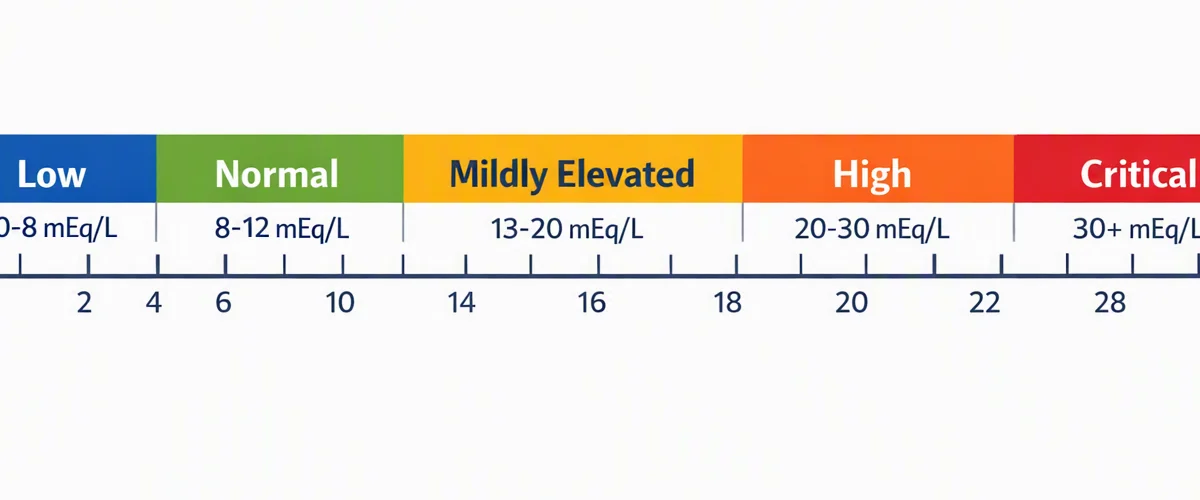
The calculator is helpful for quick anion gap calculation during blood test interpretation. If a patient has results from a serum chemistry panel, the calculator can help identify whether the anion gap falls within the lab reference range or whether it is high. That said, the number should not ever be interpreted in isolation. A normal-looking result can still miss a clinically important acid-base balance problem if other measurements are varying.
For example, a low bicarbonate level with a high anion gap often suggests acid accumulation. On the other hand, a low anion gap may be related to decreased albumin, a protein levels issue, or even a lab error. The calculator is a preliminary tool, not a diagnosis. It helps arrange the data, but the final interpretation depends on the entire picture.
Does anemia actually alter the anion gap?
The simple answer is that anemia typically does not directly change the anion gap. Anemia mostly affects hemoglobin, hematocrit, and the amount or quality of red blood cells. The anion gap, by contrast, is driven by measured electrolytes and indirectly influenced by unmeasured ions and proteins. So anemia itself is not typically the direct mechanism behind a changed result.
That said, anemia and an abnormal anion gap can occur together because they may share an underlying cause. For example, kidney disease can reduce red blood cell production and also create acid-base changes that influence the anion gap. Likewise, low albumin can lower the anion gap and may coexist with anemia in illness, malnutrition, inflammation, or chronic disease. In other words, the connection is often indirect rather than causal.
This separation matters in blood test interpretation. If a patient has anemia and a surprising anion gap value, clinicians look beyond the anemia itself and ask what systemic process might explain both findings. That may include metabolic acidosis, inflammation, nutritional issues, renal dysfunction, or a plasma protein abnormality. The anion gap becomes more meaningful when viewed as part of the broader lab pattern.
When anemia and an abnormal anion gap occur together
If anemia and an abnormal anion gap show up together, the pairing can point to a more complex clinical context. One common link is kidney disease. Reduced kidney function can result in anemia through decreased erythropoietin production and can also lead to acid retention, producing a higher anion gap. In advanced disease, uremia may contribute to metabolic acidosis and other chemistry abnormalities.
Lactic acidosis is another significant link. When tissues do not get enough oxygen or when severe illness increases lactate production, the anion gap may rise. Severe anemia can contribute to oxygen delivery problems, but anemia alone is rarely the direct cause of lactic acidosis. Instead, anemia may be a component of a larger picture that includes shock, infection, respiratory compromise, or another systemic disease.
Iron deficiency anemia is common, but it does not generally alter the anion gap by itself. If it appears alongside an abnormal result, the clinician should consider whether another condition is present. Chronic gastrointestinal blood loss, poor nutrition, malabsorption, or chronic inflammatory disease may be involved, and those same conditions can affect the chemistry panel through volume changes, protein levels, or kidney stress.
The key point is that anemia and an abnormal anion gap together are a hint, not a conclusion. The pairing may reflect one shared disorder or two separate issues happening at the same time. That is why a careful results review and follow-up evaluation are often needed.
Low anion gap causes to evaluate
A low anion gap is rarer than a elevated one, and it warrants careful evaluation. One major cause is hypoalbuminemia, because albumin carries a negative charge and helps maintain the expected balance of ions. When albumin falls, the anion gap may also fall even if the rest of the chemistry panel seems otherwise normal.
Multiple myeloma is an additional important consideration. This plasma cell disorder can produce abnormal proteins that influence the gap. Related conditions such as paraproteinemia may also lower the anion gap by adding positively charged proteins into circulation. In these situations, the low value is not the disease itself but a diagnostic clue that helps suggest to a potential plasma protein disorder.
Lab error should always be considered as well. Because the anion gap is a calculated value, inaccurate sodium, chloride, or bicarbonate measurements can create a misleading answer. If the result does not fit the patient’s symptoms or the rest of the lab findings, repeating the panel is often a key part of good practice.
Other unusual causes include unusual intoxications or analytical interference. Still, in many real-world cases, a low anion gap is due to hypoalbuminemia, protein abnormalities, or a simple measurement problem rather than a dangerous isolated disorder. The most important step is to interpret it with the complete clinical picture.
Elevated anion gap factors to review
A high anion gap often signals the occurrence of unmeasured acids in the blood. One of the best-known causes is diabetic ketoacidosis, where ketones build up and reduce the bicarbonate level while increasing the gap. This is a textbook example of a metabolic crisis where the anion gap helps reveal the severity of the acid-base disturbance.
Toxins can also elevate the anion gap. Certain ingestions cause acid buildup or alter metabolism, and the gap may become an first warning sign. Similarly, salicylates can produce complex acid-base changes that sometimes include an elevated anion gap. In these cases, the calculator may provide a useful clue, but the broader history is crucial.
Uremia from kidney dysfunction is another frequent cause. As acids accumulate and renal clearance declines, bicarbonate may drop and the gap may widen. This is why a chemistry panel, together with kidney function markers, is valuable when reviewing results. A elevated anion gap is not a diagnosis by itself; it is a finding that suggests further investigation.
Other causes include lactic acidosis, severe infection, starvation ketosis, and other metabolic disorders. Whenever the gap is elevated, the clinician typically checks symptoms, medications, kidney function, glucose, and other lab values to identify the underlying cause.
How doctors read low blood count with laboratory findings
To evaluate anemia well, providers start with a complete blood count. This test reveals hemoglobin, hematocrit, red cell count, and red cell indices. The mean corpuscular volume assists classify the anemia as microcytic, normocytic, or macrocytic, which narrows the differential diagnosis and directs the next steps.
A reticulocyte count is often the following helpful piece of information. It indicates whether the bone marrow is responding appropriately by making new red blood cells. A low reticulocyte response may indicate underproduction, while a high response may indicate blood loss or hemolysis. This information helps determine whether the anemia is part of a broader systemic disease or a more isolated issue.
Healthcare providers also check a comprehensive metabolic panel when anemia is present, especially if the person has symptoms or another abnormal result. The panel can reveal kidney dysfunction, electrolyte shifts, liver patterns, protein abnormalities, and the anion gap. When combined with the complete blood count, it gives a more complete view of the patient’s physiology and helps connect anemia with possible acid-base or investigate normal anion gap acidosis renal issues.
That is the practical value of a screening test like an Anion Gap Calculator. It helps arrange the data from routine blood work, but interpretation depends on the other numbers, the symptoms, and the overall story. An isolated abnormal result may be incidental, while a consistent pattern across several tests may be the real clue.
When it is time to seek medical evaluation
A medical evaluation is essential when anemia or a changed anion gap appears with alarming symptoms. Shortness of breath may suggest that anemia is limiting oxygen delivery or that another condition is affecting breathing or circulation. Fatigue is frequent in anemia, but persistent or worsening fatigue may reflect a more serious problem that needs assessment.
Pallor can be a visible sign of lowered hemoglobin, especially when it occurs with weakness, dizziness, or exercise intolerance. Confusion is more serious and can occur with severe anemia, marked acid-base imbalance, dehydration, infection, kidney failure, or toxin exposure. In those cases, the lab findings should be interpreted promptly.
If someone has anemia and a changed anion gap, the decision to seek care depends on the symptoms, how abnormal the values are, and whether there are signs of metabolic acidosis, kidney disease, or another significant disorder. A follow-up evaluation can determine whether the finding is mild and incidental or part of a more serious problem that needs treatment.
Frequently asked questions about anemia and anion gap
Can anemia directly cause a low or high anion gap?
Generally, no. Anemia affects hemoglobin, hematocrit, and red blood cells, while the anion gap is calculated from sodium, chloride, and bicarbonate. The two are more often connected through an underlying condition rather than by anemia directly changing the gap.
Why do anemia and a low anion gap sometimes occur together?
They may occur together because of hypoalbuminemia, kidney disease, inflammation, malnutrition, or a plasma protein disorder such as multiple myeloma or paraproteinemia. In some cases, lab error can also explain the result, so repeat testing may be needed.
Does iron deficiency anemia change anion gap values?
Iron-deficiency anemia usually does not change the anion gap by itself. If both are present, doctors look for another primary cause such as blood loss, long-term illness, kidney disease, or nutritional problems that may affect albumin or other chemistry values.
What conditions frequently cause an abnormal anion gap?
Typical causes include metabolic acidosis from lactic acidosis, diabetic ketoacidosis, uremia, and toxin or drug exposures such as salicylates. Low values are often linked to hypoalbuminemia, multiple myeloma, paraproteinemia, or lab error.
Should I use an Anion Gap Calculator with other lab results?
Yes. An Anion Gap Calculator is most helpful when interpreted alongside a complete blood count, a comprehensive metabolic panel, and the rest of the blood test interpretation. The calculator can highlight a diagnostic clue, but the full clinical context decides what it means.