Anion Gap Calculator for Aiding DKA Diagnosis
What’s the Anion Gap?
The anion gap is a derived value used to check electrolytes and the body’s acid-base balance. It is one of the most helpful tools for recognizing metabolic acidosis, especially when the cause is not immediately obvious. In practice, the anion gap helps clinicians and patients see whether there may be an excess of unmeasured acids in the blood.
An anion gap calculator is a simple diagnostic aid that uses routine lab values to determine whether the blood has a normal or elevated anion gap. This matters because a high value can signal conditions such as diabetic ketoacidosis, lactic acidosis, renal failure, or exposure to certain toxins. While the number itself does not make a diagnosis, it is an useful piece of clinical support for lab interpretation.
The anion gap reflects the difference between measured positively charged ions and negatively charged ions in the blood. The most common inputs are serum sodium, serum chloride, and serum bicarbonate. Because many clinically important acids are not directly measured on a standard panel, the anion gap can reveal a hidden acid load that needs attention.
How the Anion Gap Calculator Functions
An anion gap calculator typically uses the values from a serum chemistry panel to produce a quick result. The key inputs are sodium, chloride, and bicarbonate. These values are used to calculate the gap between measured cations and anions, which helps identify whether there is an underlying electrolyte imbalance.
The calculation is straightforward, but the meaning of the result depends on the broader clinical picture. For example, a low serum bicarbonate may indicate acidosis, and if the anion gap is also high, that pattern indicates a form of gap metabolic acidosis. The calculator does not replace a clinician’s review of symptoms, history, and additional lab data, but it can easily highlight an abnormal calculated value that requires closer attention.
In DKA support, the calculator is especially valuable because it can detect the kind of metabolic disturbance that often accompanies ketone production. When insulin is deficient, the body shifts toward fat breakdown, producing acidic byproducts that widen the anion gap. That makes the calculator a reliable tool for early recognition and clinical support.
Anion Gap Formula and Normal Ranges
The classic anion gap formula is:
Anion gap = Sodium - (Chloride + Bicarbonate)This equation uses the primary measured electrolyte levels from a routine chemistry panel. Based on the laboratory and whether potassium is included, the exact range can differ slightly, but the widely used version excludes potassium. The goal is to compare the result against the expected reference range to see whether the gap is normal or increased.
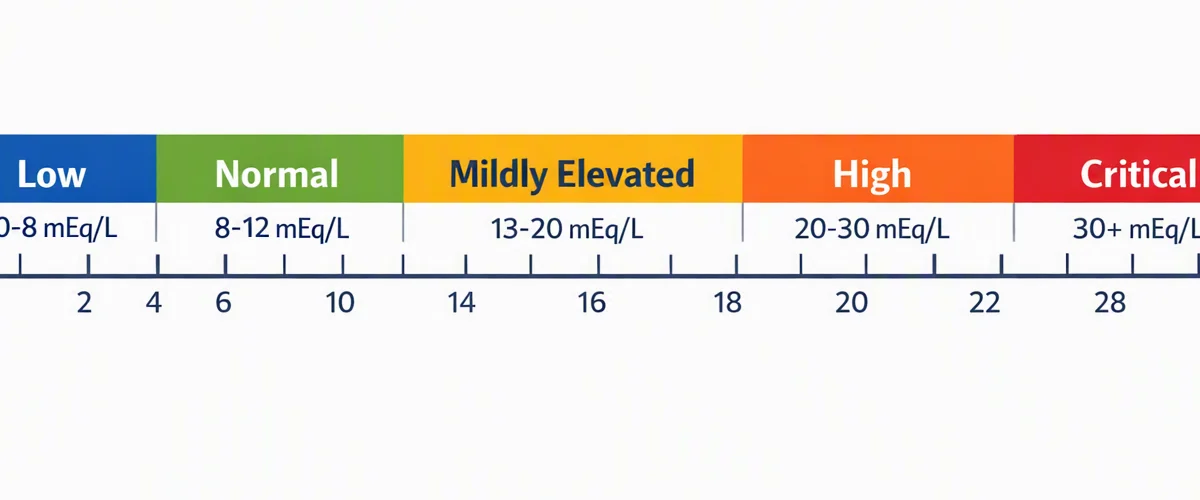
A typical normal anion gap is often around 8 to 12 mEq/L when using the standard formula, though lab-specific ranges may differ. A result above the lab’s range is usually considered abnormal and may indicate an elevated anion gap. Still, the number should always be interpreted alongside other findings, including blood glucose, pH, and the patient’s reported symptoms.
Albumin also is important because it is a major unmeasured anion in the blood. If albumin is low, the measured anion gap can appear incorrectly normal or only mildly elevated even when clinically important acidosis is present. That is why many clinicians consider the albumin-corrected anion gap when interpreting results, especially in inpatient or critically ill patients.
How the Anion Gap Matters in DKA
Diabetic ketoacidosis, or DKA, is a dangerous condition of diabetes caused by insulin deficiency and increased ketone production. With this issue, the body cannot use glucose properly, so it breaks down fat for energy and produces ketones, which are acidic. The result is often high anion gap metabolic acidosis, making the anion gap a key clue during evaluation.
Since DKA creates excess organic acids, the gap may rise before severe clinical decline becomes obvious. This makes the anion gap calculator useful for spotting a pattern that aligns with DKA when paired with symptoms and lab findings. If a patient has blood glucose elevation, acidosis, and ketones, a high anion gap strongly supports the diagnosis.
Still, DKA should not be diagnosed from the calculator alone. The anion gap is part of a broader assessment that includes vital signs, hydration status, mental status, and blood gas results. The presence of ketones helps confirm the likely cause of the acidosis, but clinicians must also consider whether there are overlapping conditions or another source of acid accumulation.
Put simply, a high anion gap can point toward DKA, but it is best viewed as an early warning sign that guides further testing and treatment decisions.
How to Read a High Anion Gap Result
A high value suggests there may be an excess of unmeasured acids in the bloodstream. In the context of DKA support, this finding often points to a ketoacid state, but multiple other causes must be considered. Interpretation depends on the degree of the elevation, the patient’s signs, and additional labs such as a blood gas, lactate, creatinine, and toxicology testing when needed.
Lactic acidosis is one of the most important alternative explanations. It can occur when tissues do not receive enough oxygen or when metabolism is otherwise stressed. Renal failure is another major cause because impaired kidney clearance allows acids to accumulate. In advanced kidney dysfunction, uremia may also contribute to a widened gap.
Toxic alcohols are especially important not to miss. Ingestions such as methanol or ethylene glycol can produce a dangerous high anion gap state that requires urgent treatment. The same is true for some medication-related or poisoning scenarios, which may present with nonspecific symptoms at first. A high anion gap should therefore prompt careful review of history, exposure risk, and the possibility of toxin exposure.
When the result is unexpected, it is worth confirming the labs and looking for concurrent abnormalities in electrolyte levels. A single abnormal number is rarely enough. The result should be integrated with clinical judgment, especially if the picture does not clearly fit DKA or another obvious cause.
Correcting the Anion Gap in Albumin
Low albumin can mask a meaningful anion gap elevation. Since albumin carries negative electric charge, low levels decrease the apparent gap even when acid production is elevated. In these instances, an albumin-corrected anion gap can give a more reliable picture of the patient’s acid-base state.
This correction is especially valuable in acutely ill patients, where low albumin is frequent because of systemic inflammation, poor intake, fluid changes, or underlying disease. Since protein levels affect the relationship of measured and unmeasured ions, correction helps minimize false reassurance from a “normal” looking reading.
A corrected gap can reveal hidden high anion gap metabolic acidosis that would otherwise be downplayed. That said, correction is still only one element of the workup. If the patient has symptoms, abnormal blood gas findings, or a clinical picture concerning for DKA, the corrected number should be considered alongside the rest of the information rather than in a vacuum.
Frequent Reasons of Raised Anion Gap Other than DKA
Although DKA is a well-known cause, additional disorders can also cause an increased gap. Sepsis may result in tissue hypoperfusion and lactic acid buildup, which can raise the anion gap quickly. Uremia from kidney dysfunction is an additional common cause because acid clearance is reduced as renal function worsens.
Salicylates can also increase the anion gap and may produce a mixed acid-base disorder. With timing and severity, a patient may have respiratory and metabolic abnormalities at the same time. This is one reason why lab interpretation must be thorough and not limited to the most common diagnosis.
Other possibilities include other forms of organic acid accumulation, severe dehydration, and certain poisonings. In each case, the calculator helps identify a pattern, but it does not reveal the source on its own. The presence of elevated anion gap should trigger a structured review for DKA, infection, renal disease, and exposure-related causes.
Using the Calculator in Clinical Decisions
The ideal use of an anion gap calculator is as part of a structured evaluation. Begin with the serum chemistry panel, then assess the result in relation to the patient’s symptoms and overall condition. If the gap is high, review blood glucose, ketones, renal markers, and acid-base data from a venous blood gas or arterial blood gas.
Blood gas analysis helps assess pH and the severity of acidosis. A low bicarbonate and low pH reinforce concern for a clinically important metabolic disturbance. When paired with hyperglycemia and ketones, the pattern can support DKA diagnosis. However, if the patient is not obviously diabetic or the story is atypical, the differential diagnosis should stay extensive.
The calculator is a tool for clinical support, not a substitute for a clinician. It can boost efficiency and sharpen suspicion, but it NAGMA explanation cannot replace clinical judgment. The best decisions come from combining the calculated value with the patient’s history, physical exam, and additional testing.
Constraints and When to Seek Immediate Care
The anion gap has important limitations. A normal result does not exclude DKA in every circumstance, especially early in illness, after treatment has started, or when albumin is low. A high result also does not prove DKA, because other causes of metabolic acidosis can look similar. The calculator should be seen as a diagnostic aid, not a final answer.
Immediate care is warranted when there are emergency symptoms such as severe vomiting, confusion, trouble breathing, marked weakness, chest pain, or signs of dehydration. These findings can occur in DKA, lactic acidosis, toxic ingestion, or severe infection and should not be ignored. A high gap combined with worsening symptoms is especially concerning.
Seek urgent evaluation if blood sugar is very high, if ketosis is suspected, or if the person has a known history of diabetes and may be developing DKA. The combination of elevated glucose, ketones, acidosis, and dehydration can become dangerous quickly. Because the condition can worsen rapidly, a concerning clinical picture should lead to prompt medical assessment rather than waiting for repeat labs.
FAQ: Anion Gap Calculator and Support for DKA
What does an anion gap calculator used for to support DKA evaluation?
An anion gap calculator is used as a diagnosis support tool to detect high anion gap metabolic acidosis, which is common in DKA. It determines whether the blood has an elevated gap based on sodium, chloride, and bicarbonate. In DKA, the result can raise suspicion for ketoacid buildup, but it should always be interpreted with blood glucose, ketones, blood gas values, and the overall clinical picture.
What anion gap value is considered high?
The exact threshold depends on the laboratory’s lab range, but a standard typical anion gap is often around 8 to 12 mEq/L when using the common formula. Values above the lab’s upper limit are generally considered high. Because albumin affects the result, a low albumin level may hide a true elevation, which is why an albumin-corrected anion gap may be useful.
Can DKA happen with a normal anion gap?
Yes. DKA can sometimes present with a normal or less impressive anion gap, especially early on, after fluid treatment, or when the gap is affected by hypoalbuminemia. A normal result does not rule out DKA if other findings point toward it, such as high blood glucose, positive ketones, and low bicarbonate. That is why the anion gap is helpful for support, but not definitive by itself.
Should the anion gap be corrected for albumin?
Often, yes, especially when albumin is low or when the patient is critically ill. Low albumin can make the gap look falsely normal even when there is significant acidosis. Correcting for albumin improves interpretation and may reveal hidden high anion gap metabolic acidosis. It is a useful way to improve test interpretation, but it still needs to be paired with clinical findings.
What other conditions can cause a high anion gap besides DKA?
Common causes include lactate accumulation, renal insufficiency, uremia, toxic ethanol exposures, and salicylates. Sepsis can also raise the gap through accumulated lactic acid. Because multiple conditions can produce an elevated result, a high anion gap should require a broader assessment rather than being assumed to be DKA immediately. This is a tool for clinical support, not a standalone diagnosis.
Medical disclaimer: This article is for informational purposes only and does not replace professional assessment, diagnosis, or treatment. If there are emergency symptoms, suspected DKA, severe electrolyte imbalance, or concern for poisoning, seek urgent medical care right away.